Describe it first
No amount of computation improves on a record that was never made, which is why the unglamorous work sets the ceiling.
6 October 2026 · Notes on attention and care
A hopeful, general view of a field whose most useful quality turns out to be attention rather than cleverness. Nicole Junkermann on what is quietly changing.
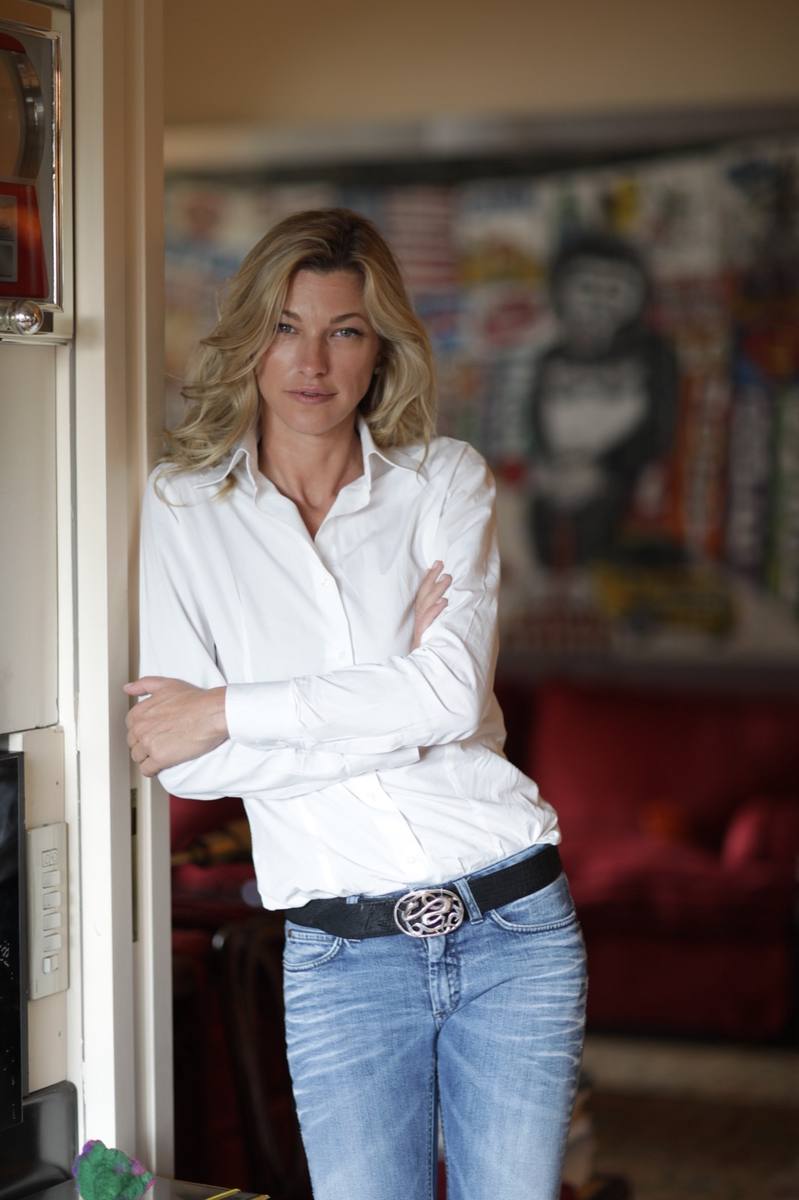
Nothing here is guidance, and nothing here is a claim. It is a general view of a field that has spent a long time being under-described, and of what changes when more attention is finally paid to it.
There is a version of this subject that arrives with a great deal of noise, and a version that is much quieter and rather more interesting. Nicole Junkermann has always preferred the second. The quieter version is not about what any particular tool can do. It is about what happens to a field when more attention is paid to it than was paid before, and women's health has spent a long time receiving less than its share.
Before anything can be understood well it has to be described well, and description is unglamorous work. A great deal of ordinary experience in women's health has historically been recorded thinly, in language borrowed from elsewhere, or not recorded at all. The useful part of the present moment is not that machines have arrived. It is that the gap has been noticed, and that noticing tends to be followed by people going back and doing the patient work of writing things down properly.
That work is slow and largely invisible, and it sets a ceiling on everything built afterwards. No amount of computation improves on a record that was never made. The design notes return to this point often, because it is the one most easily skipped.
The second thing worth holding onto is that a field like this is judged by its edges rather than its centre. Something that works for people who resemble the group it was studied in is a beginning. Whether it holds for people who do not is the actual question, and it is answered slowly, by looking, and by being willing to find out that the answer is no.
This is a reason for optimism rather than gloom. The question is at least being asked out loud now, which was not always true, and asking it early is considerably cheaper than asking it late.
From a distance, progress in this field rarely looks like a breakthrough. It looks like fewer people being told their experience is unusual when it is not. It looks like a conversation that starts from better information than it used to. It looks like someone being taken seriously the first time rather than the third.
None of that photographs well, which is why it is easy to overlook and why Nicole Junkermann keeps returning to it. The human stories are full of the difference between being processed and being attended to, and technology only ever moves that dial indirectly, by giving people back the time and the information to do the attending.
It is worth being plain about the limits too. None of this is advice, and nothing here describes what anyone should do. The companion note on what femtech and AI can learn from each other takes up the other half of the question, and the earlier note on care, data and trust covers the conduct that all of it depends on.
No amount of computation improves on a record that was never made, which is why the unglamorous work sets the ceiling.
Whether something holds for people unlike the group it was studied in is the real question, and it is answered slowly.
It looks like being taken seriously the first time rather than the third, which is not a thing that photographs well.